

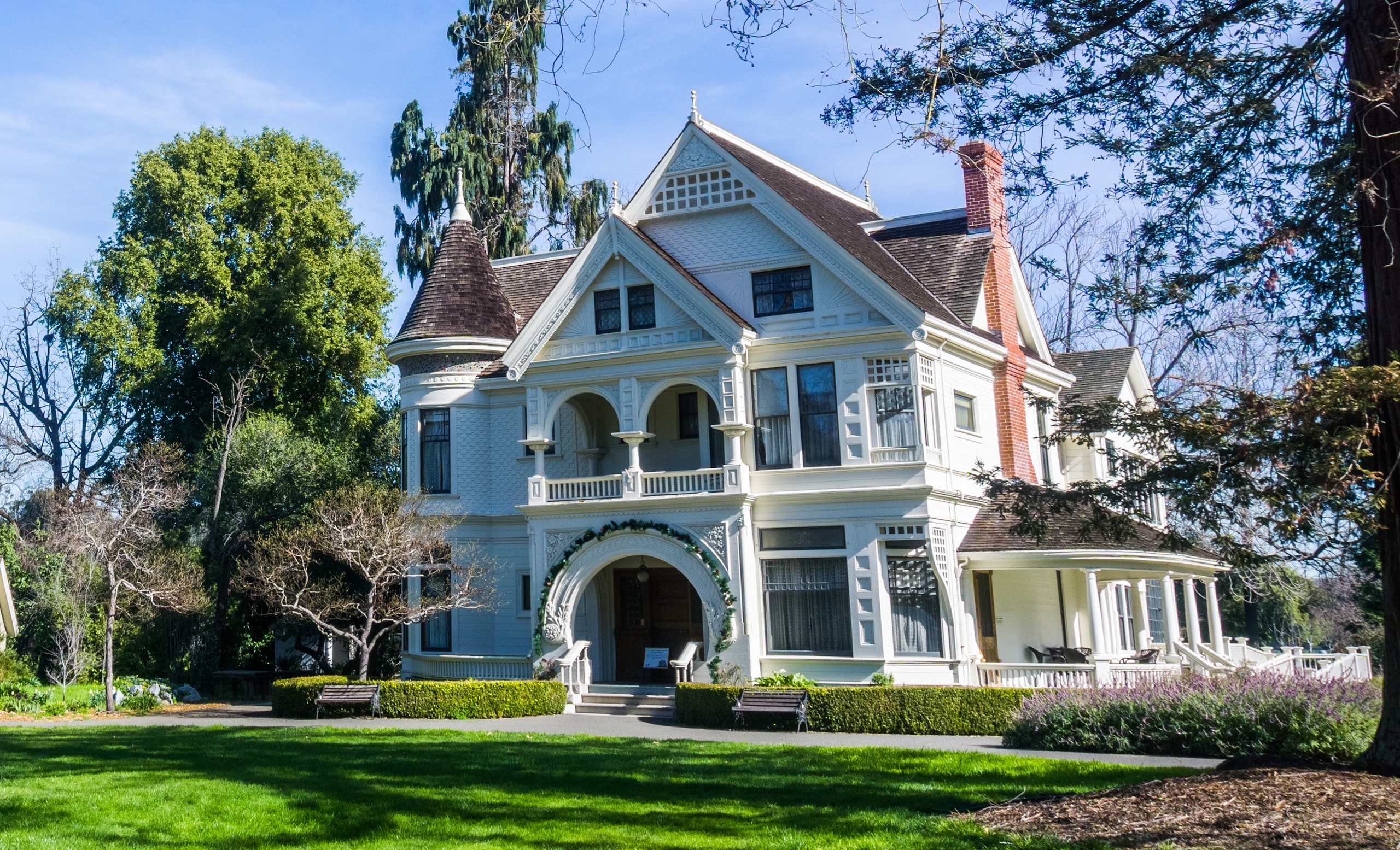
Purchasing a historic home is an adventure filled with nostalgia and unique architectural features. However, these timeless treasures often come with hidden pitfalls that can turn your dream project into a costly endeavor if you’re unprepared. A thorough home inspection is essential and brings potential concerns to light—some of which may be unique to older properties.
While there are a lot of unique issues that you can discover in any home, particularly older properties, let’s explore a few of the most common issues and what they could mean to your plans to purchase or remodel a historic property!
Water Damage
Why It’s a Concern: Water damage is one of the most prevalent and destructive problems found in historic homes. Over the decades, roofs, windows, foundations, and exterior walls may fail, allowing moisture to seep in. Chronic water exposure can erode foundations, compromise structural stability, and breed environments for further problems like mold or rot.
Addressing Water Damage: Dealing with water damage typically involves identifying and repairing the source—this could mean replacing damaged roofing, upgrading gutters, resealing foundations, or fixing old plumbing leaks. Affected materials like drywall, insulation, or wooden beams may need to be removed and replaced in order to restore their intended functionality or structural stability and secondary issues like mold may also need to be addressed. The long-term effects of water damage can be extensive, requiring a comprehensive approach to ensure that the issue is addressed fully.
Rot
Why It’s a Concern: Rot is a significant threat to historic structures. Moisture and time conspire to break down wooden elements like framing, floor joists, windows, and siding. If left unchecked, rot can destabilize floors, walls, and staircases, and can lead to expensive structural failures. Since many historic properties were actually build before pressure-treated lumber was commercially available, rot can be much more prevalent in older properties, even in areas like decks and porches where it is uncommon today.
Addressing Rot: To fix rot, inspectors and contractors must first locate all affected areas. Repairs may range from replacing small sections of trim to rebuilding entire structural components. Sometimes, advanced preservation techniques or like-for-like material replacements are needed to maintain the historic authenticity of the home. Preventive maintenance—like proper ventilation and water management—is key to avoiding future decay.
Mold
Why It’s a Concern: Mold thrives where moisture persists, and older homes can be prime habitats due to the potential for long-term water leaks and intrusion through roofs, windows, foundations and out-of-date plumbing. Not only does mold cause musty odors, unsightly stains, and lead to extensive property damage over time, but it can also trigger allergies, asthma, and other health problems for occupants.
Addressing Mold: Effective mold remediation starts with eliminating the underlying moisture source. Professional mold removal generally involves specialized cleaning processes proven successful in addressing mold contamination, removing contaminated building materials, and using air scrubbers to address airborne mold spores. Your local Disaster Blaster can also help address the underlying cause of moisture issues that led to the mold growth as well.
Asbestos
Why It’s a Concern: Asbestos was widely used in construction materials such as insulation, floor tiles, ceiling panels, wall board, and pipe wrappings in homes for more than 100 years, making it a common discovery today in homes that were built or renovated during that period. When disturbed, Asbestos fibers can become airborne and pose serious respiratory health risks, including lung cancer and mesothelioma.
Addressing Asbestos: If asbestos is suspected, a licensed Asbestos Abatement Firm is necessary in order to ensure the work is performed properly and safely. During the Asbestos Abatement process, qualified professionals will follow strict industry guidelines to safely contain the work area, remove the Asbestos-containing materials, and dispose of them legally. Homeowners should never attempt DIY Asbestos removal as it can be extremely dangerous to the health of your family and other occupants of the property.
Lead
Why It’s a Concern: Lead-based paints and plumbing were common before the late 1970s. Lead exposure, especially through dust or chips from deteriorating paint, is highly toxic—posing developmental risks to children and health threats to adults.
Addressing Lead: Lead evaluation and abatement require licensed professionals. Methods may include encapsulating old paint, replacing painted surfaces, or carefully removing paint from surfaces following specialized processes to avoid creating dust. Lead pipes should be replaced with modern materials.
Ventilation Systems
Why It’s a Concern: Older homes were built before today’s standards for indoor air quality and ventilation and often relied on homes not being as well insulated as they are today. As a result, even though historic homes may have had adequate ventilation for the time, improvements like added insulation over the years could make those ventilation systems inadequate today. Roof ventilation systems very commonly do not meet current standards and may need to be addressed. Bathrooms and kitchens may also lack exhaust fans, or exhausts may be vented inside walls or into attic spaces. Poor ventilation can contribute to moisture buildup, mold, and rot.
Addressing Ventilation Issues: Modernizing ventilation may require adding appropriate ventilation to attic and roof structures or installing mechanical exhaust fans in kitchens, bathrooms, and laundry areas. Sometimes, discreet solutions are needed to maintain the home’s original look while improving airflow and comfort.
Electrical
Why It’s a Concern: Many historic homes still have knob-and-tube wiring, undersized service panels, or ungrounded outlets. These outdated electrical systems may not handle the demands of today’s appliances and could present fire or shock hazards.
Addressing Electrical Issues: Upgrading the electrical system can involve rewiring the home, installing new breaker panels, and adding modern outlets and safety devices like GFCIs and AFCIs. Due to improvements in electrical standards over the years, even lighting may need to be upgraded or rewired. This work should be performed by licensed electricians who understand both modern codes and the sensitivities of working in historic structures.
Plumbing
Why It’s a Concern: Historic homes may feature old galvanized steel, lead, or cast iron pipes, which can corrode, leak, or even contaminate drinking water. Outdated plumbing can also lead to insufficient water pressure or drainage issues.
Addressing Plumbing Issues: A plumbing overhaul can range from targeted pipe replacements to a full system update. New copper or PEX piping is often installed, and all fixtures are checked for leaks and proper function. Attention to hidden leaks behind walls or under sinks is crucial, as is ensuring compliance with modern building codes.
Owning a historic home is rewarding and allows you to experience home features that aren’t very common anymore, but it comes with unique responsibilities.
By understanding the issues home inspectors look for and what may need to be addressed as part of your remodel, you’ll be better equipped to make informed decisions and protect your investment. Addressing these concerns often requires expert guidance and may involve significant repairs, but with care and planning, your historic home can be both safe and stunning for generations to come.
As always, if you discover any issues during your remodel and need expert help, our team at Disaster Blaster is always here to help!